

Effective July 1, pharmacy benefit managers (PBMs) operating in Kansas became subject to a new law addressing prescription pricing transparency and regulatory oversight. The Kansas Consumer Prescription Protection and Accountability Act (SB20), adopted in April, gives the state more administrative...
News & Insights

July 22, 2026
The Affordable Care Act (ACA) creates compliance responsibilities for applicable large employers (ALEs). As healthcare costs and regulatory requirements evolve, so do the potential penalties for employers that fail to offer affordable, compliant health coverage to eligible employees.

July 22, 2026
Open enrollment is one of the busiest times of the year for HR teams. Tight deadlines, employee questions and enrollment errors can create administrative challenges that extend well beyond enrollment season. While employers often focus on plan design and employee communication, the technology and...

July 22, 2026
Earlier this summer, the Department of Labor issued an updated Children's Health Insurance Program (CHIP) notice. Employers that sponsor a group health plan in a state that offers premium assistance through Medicaid or CHIP must provide an annual notice to all employees informing them of the...

July 22, 2026
One year after passage of the One Big Beautiful Bill Act (OBBA), Trump Accounts were officially launched alongside the nation’s July 4 celebration. Trump Accounts are new tax-advantaged savings accounts for children who have a valid Social Security number and are under age 18.

July 22, 2026
Employees value benefits that support their professional growth, and educational assistance programs can help employers demonstrate that commitment. Whether for a college degree, professional certification, technical training, or job-related coursework, educational assistance programs help reduce...

April 28, 2026
In March, the U.S. Equal Employment Opportunity Commission (EEOC) released an agency performance report summarizing its efforts to combat and prevent employment discrimination under the Trump Administration.

April 28, 2026
Private employers with 100 or more employees and certain federal contractors must annually file an EEO-1 report with the Equal Employment Opportunity Commission (EEOC). The collection period does not follow a fixed schedule and varies year by year. While exact deadlines for 2025 data have yet to be...
HIPAA%20penalty%20increases%20for%202026.jpg)
April 28, 2026
The U.S. Department of Health and Human Services (HHS) has increased civil monetary penalties for violations of the Health Insurance Portability and Accountability Act (HIPAA) Privacy and Security Rules for 2026. These inflation-adjusted penalties reinforce the importance of strong compliance...
April 28, 2026
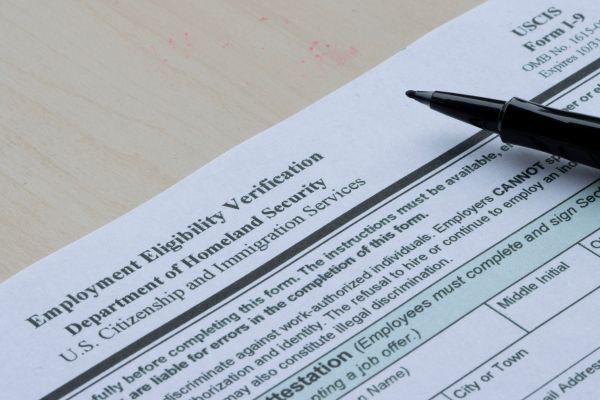
The U.S. Immigration and Customs Enforcement (ICE) recently updated its enforcement approach, including reclassifying violations and increasing penalties for several commonly made Form I-9 errors. This marks a major shift from long-standing guidance that has been in place for nearly 30 years.

